News & Events
6G-PATH advances industrial smart farming with strategic technical Demo of UC-FARM 2 at Royal Eswatini Sugar
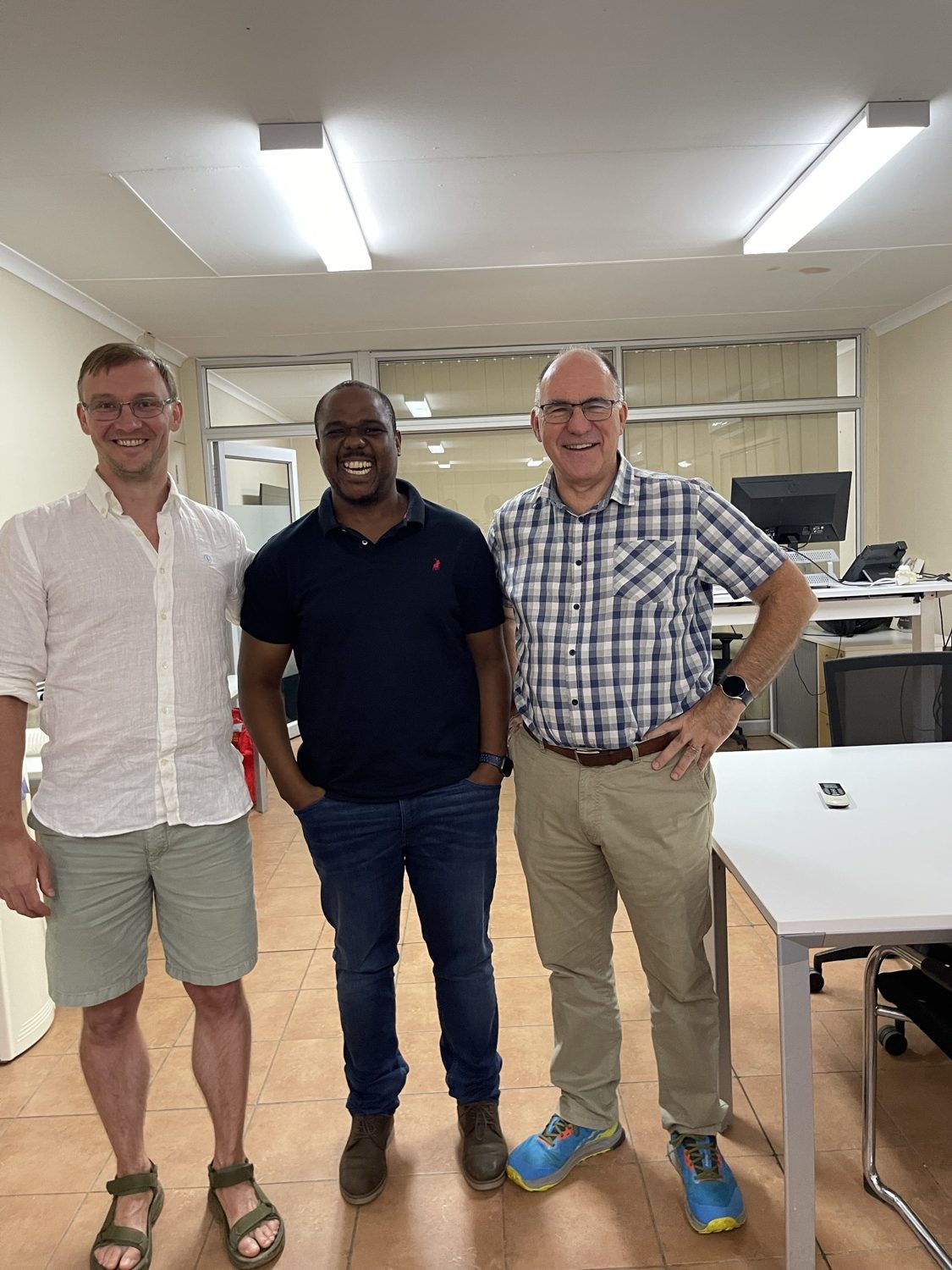
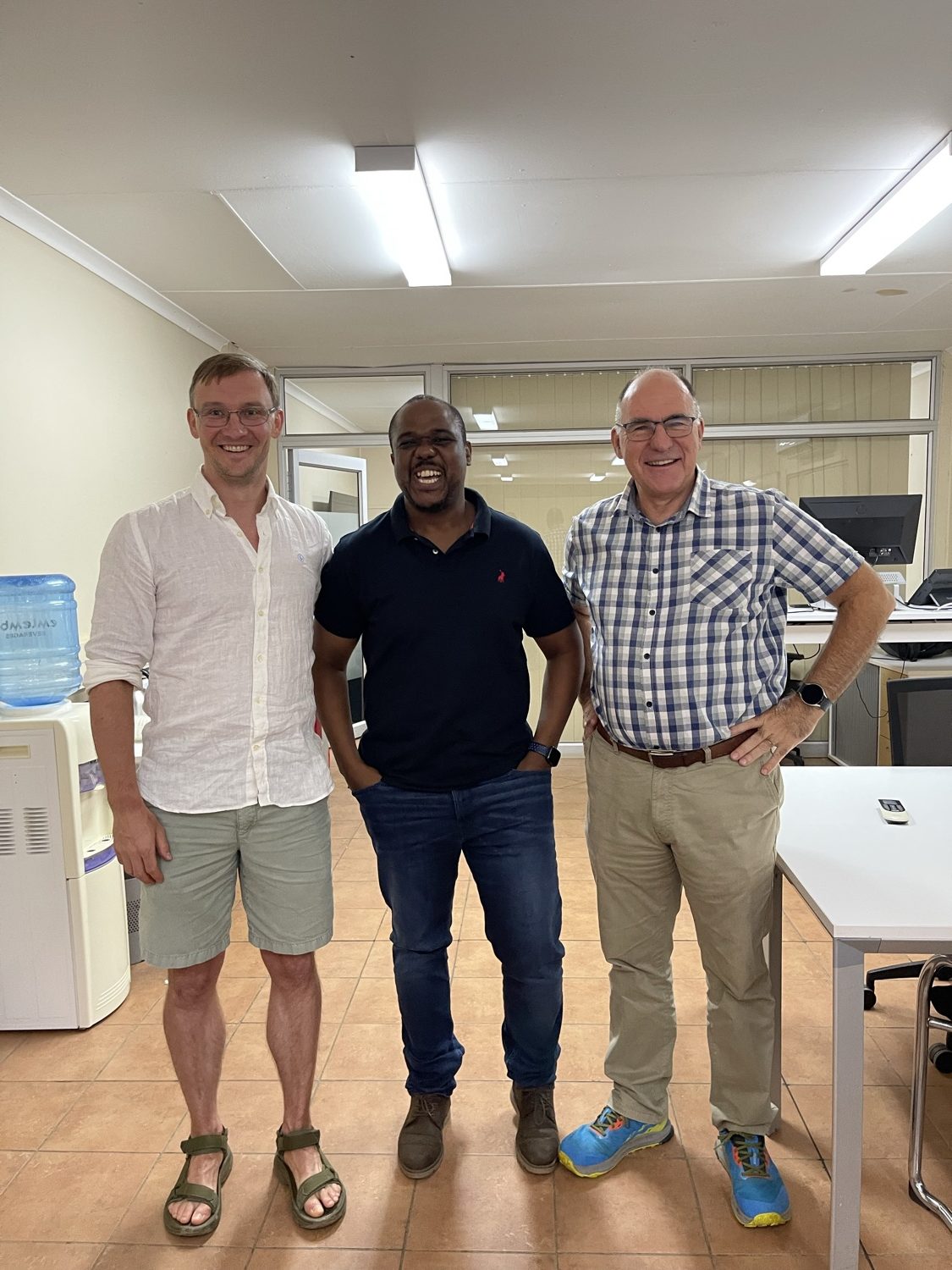
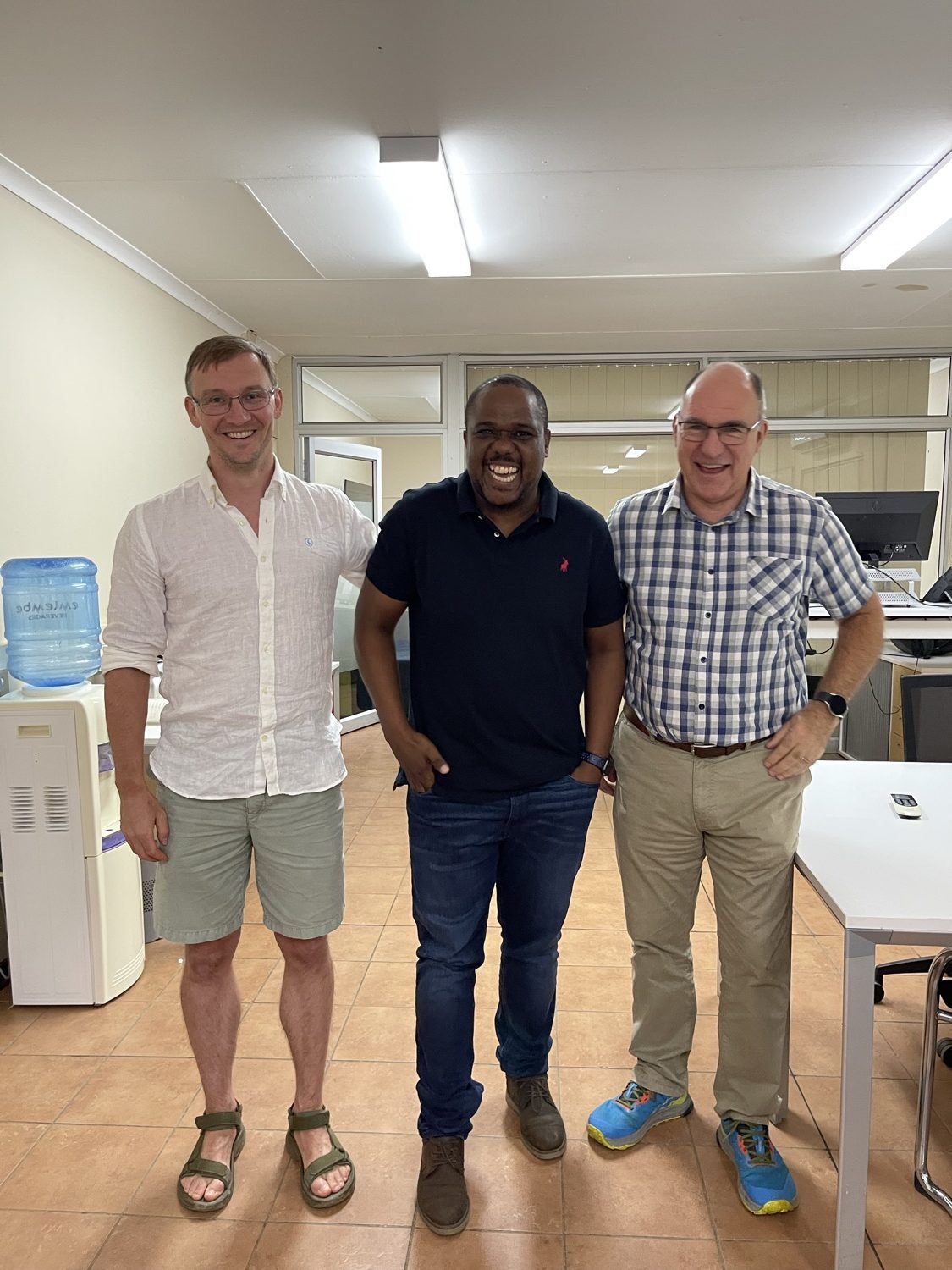
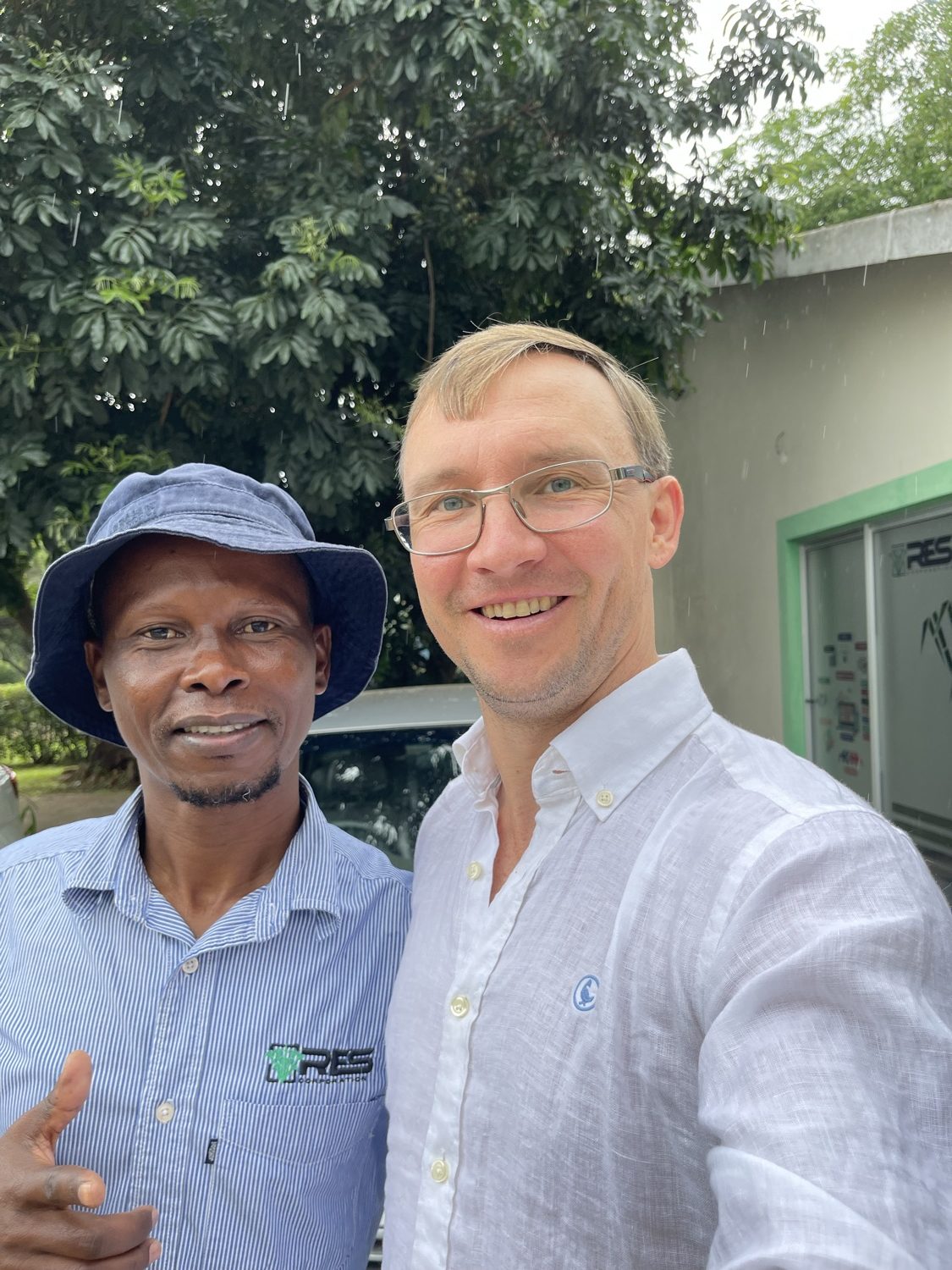
Following the successful pilot in Portugal, the 6G-PATH project has completed another UC-FARM-2 “Smart Vineyards” use case demo, this time through a technical consultation and site visit at Royal Eswatini Sugar (RES).
The three-day event, held from 26–28 November 2025, focused on the scalability of 6G-enabled precision agriculture, demonstrating how technologies originally designed for vineyards can be adapted to the demanding environment of large-scale industrial sugarcane production.
Bridging the connectivity gap for industrial-scale farming
A key focus of the visit was addressing the challenge of providing reliable, low-latency connectivity across RES’s 26,000-hectare estate. Discussions led by the RES Chief Digital Officer and 6G-PATH experts explored the potential of 6G and beyond-5G (B5G) networks to support edge-computing nodes.
Their primary interest was in Soil Moisture Monitoring tools to optimize irrigation efficiency and reduce operational costs.
Technological focus areas
The consultation showcased how 6G-PATH’s integrated tools can be adapted for industrial sugar production:
- Precision Irrigation (Aquaview): Demonstrated how Aquaview analytics can fuse ground-sensor data at the edge to provide “ground-truth” irrigation recommendations. This is expected to reduce electricity costs, a major driver for RES’s 120+ pump stations, and alleviate strain on limited water storage.
- Hybrid Monitoring: Addressed limitations of current satellite imagery during sugarcane canopying by using 6G-enabled drones for high-resolution, late-cycle crop health monitoring.
Stakeholder impact
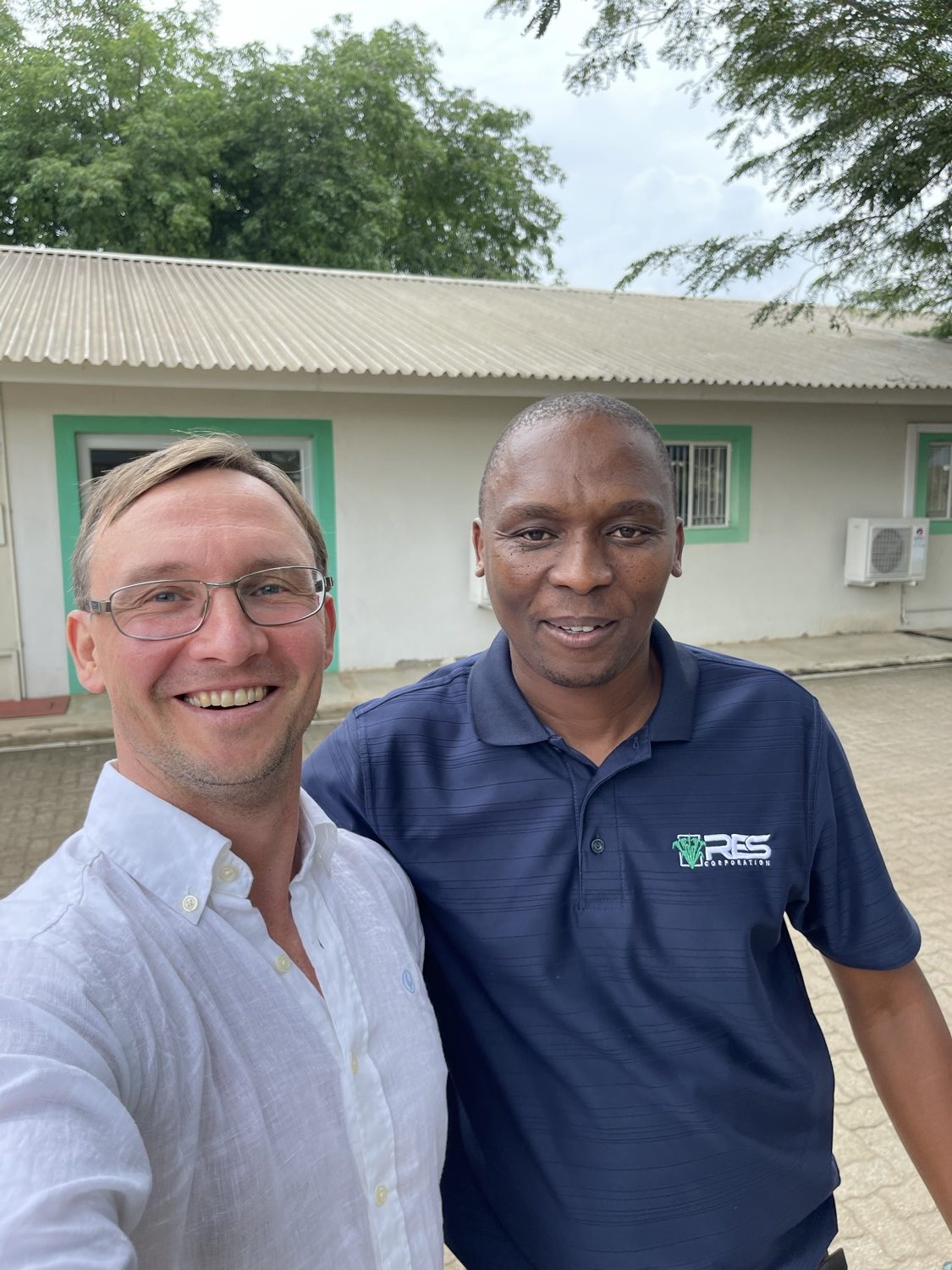
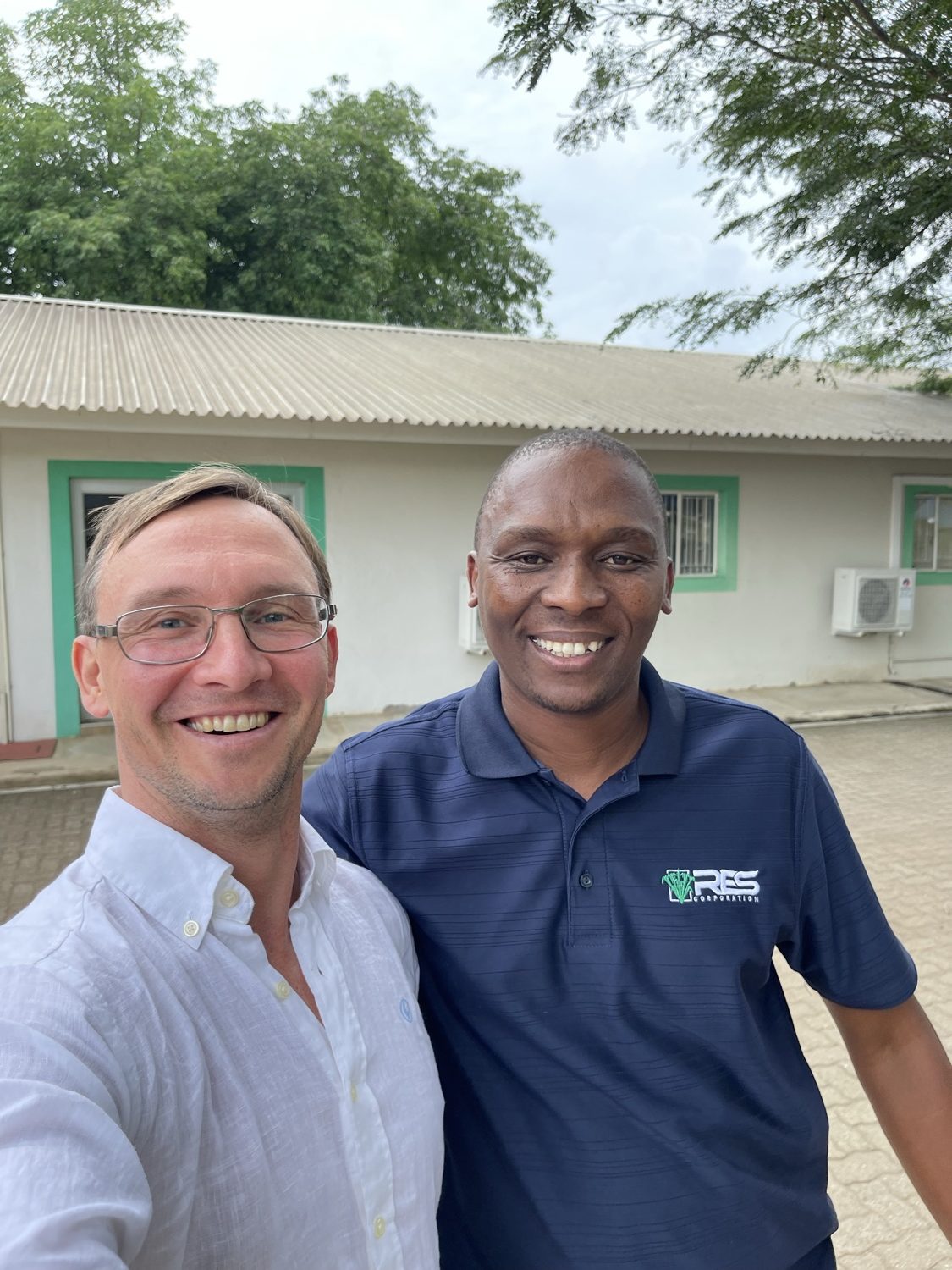
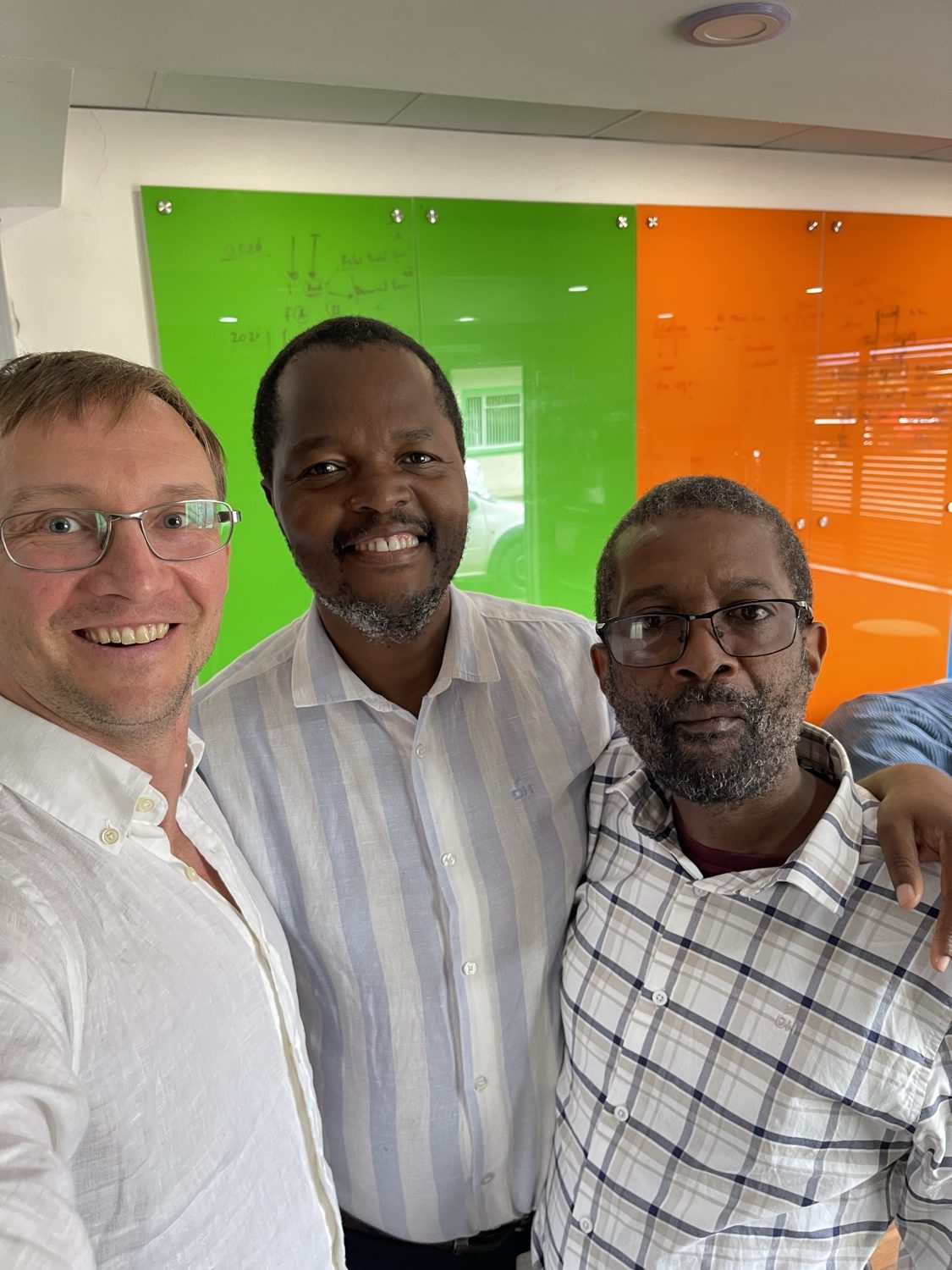
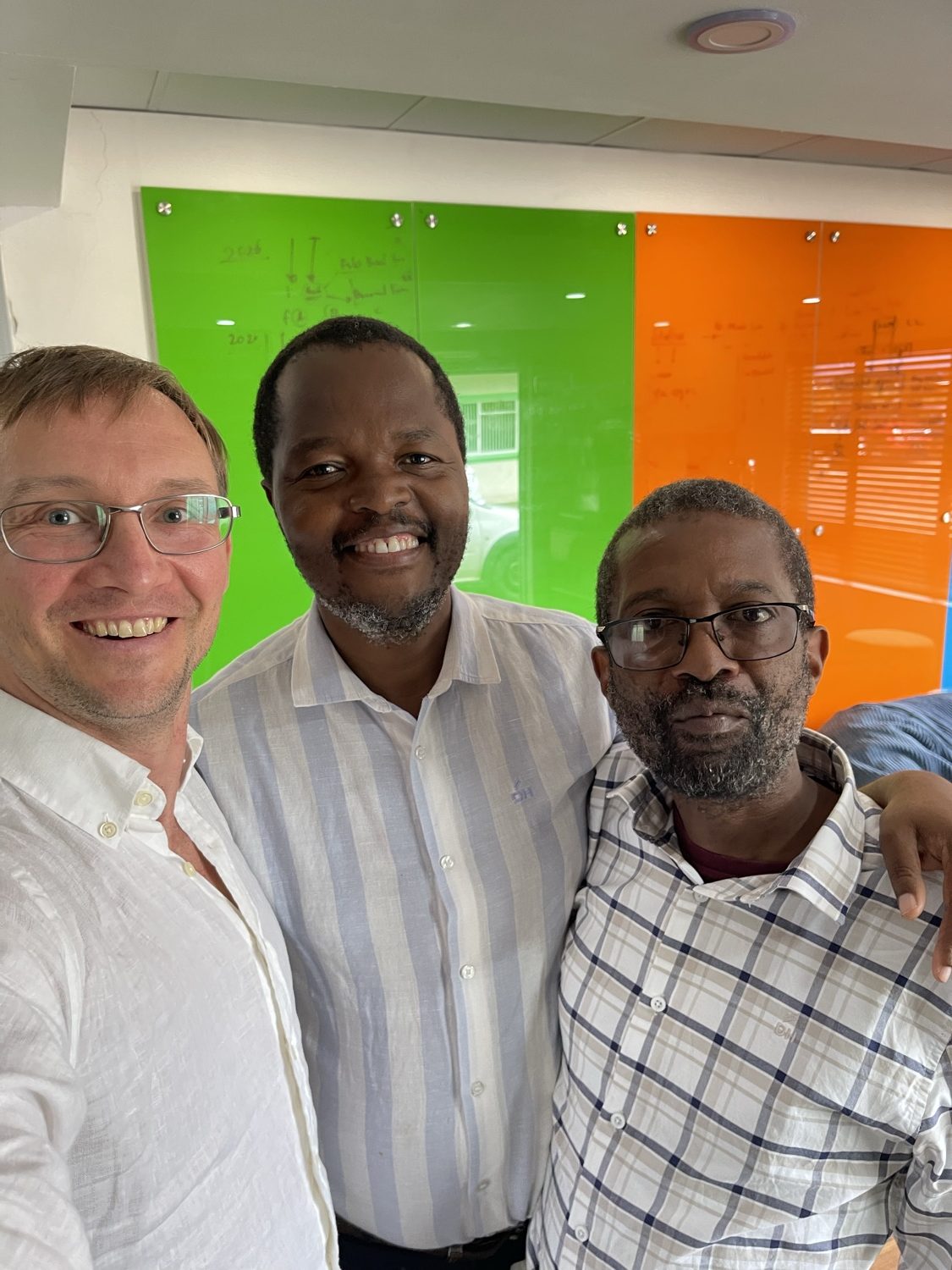
The event engaged key leadership, agronomists, and technologists from RES. Initial feedback indicates strong interest in the system’s ability to reduce over-watering and lower operational labour through automation.
Feedback was gathered through a survey and targeted interview with RES’s Chief Digital Officer, confirming that 6G and edge computing solutions are not just for high-value specialty crops like grapes, but are scalable for industrial crops such as sugarcane.
Conclusion
The UC-FARM-2 technical demo at RES demonstrates the potential of 6G-enabled precision agriculture to support industrial-scale farming. By bridging connectivity gaps and integrating advanced monitoring tools, 6G-PATH continues to push the boundaries of smart farming for large-scale production environments.